Field selection
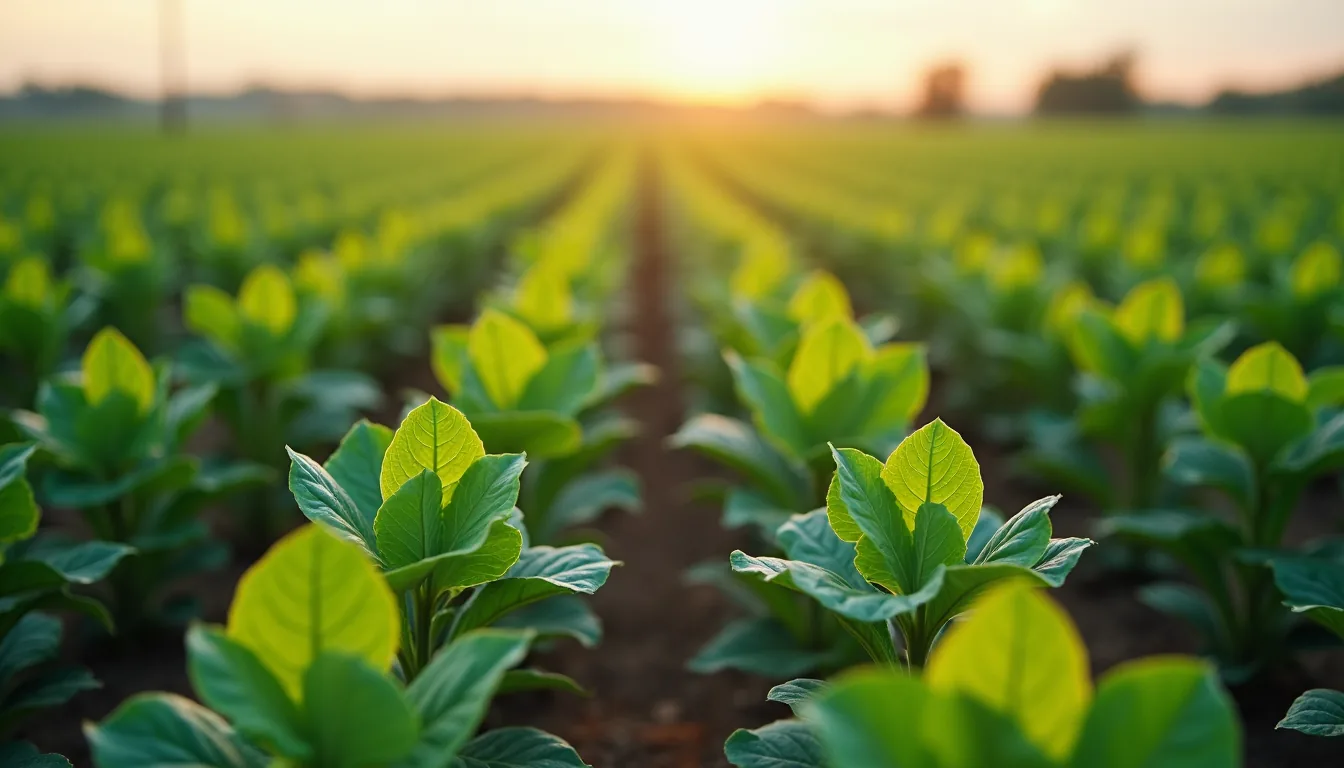
Seed variety, soil, climate, spacing, topping, and harvest intent shape the crop direction.
Premium Tobacco
Choose a tobacco question and follow the path. This page connects Estelí origin, leaf roles, processing, finished formats, and quality signals without repeating the same page structure used across nearby URLs.
Processing ribbon
The ribbon gives the page a linear learning path: field selection, curing, fermentation, and sorting all shape how tobacco performs in cigars, wraps, whole leaf, ground grabba, and private-label products.
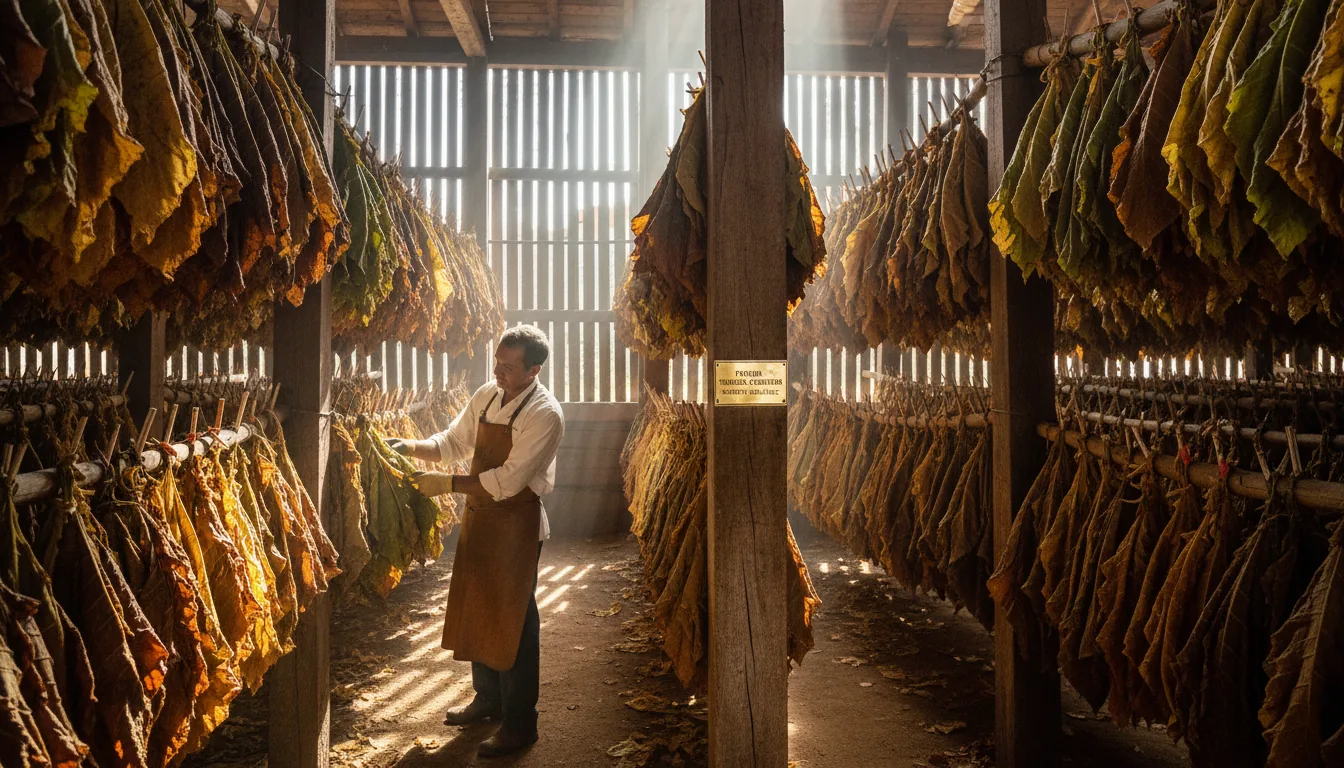
Seed variety, soil, climate, spacing, topping, and harvest intent shape the crop direction.
Airflow, temperature, humidity, and time transition green leaf into tobacco ready for fermentation.
Controlled heat, turning, resting, and aging refine aroma, texture, moisture, and strength.
Color, texture, leaf role, condition, and use-case review prepare tobacco for finished formats.
Leaf compass
Wrapper, binder, filler, Ligero, Viso, Seco, and Volado each support a different part of tobacco character, construction, aroma, strength, and combustion.
Color, texture, elasticity, aroma, and first visual impression.
Combustion, hold, flexibility, and blend architecture.
Aroma, strength, burn rate, and finished profile.
Higher plant position used for body, intensity, and deeper character.
Mid-plant leaf that supports aroma, combustion, and structure.
Combustion, smoothness, volume, and blend movement.
Format pathway
Format decisions depend on grade, moisture, cut style, processing, packaging protection, destination requirements, samples, and documentation.
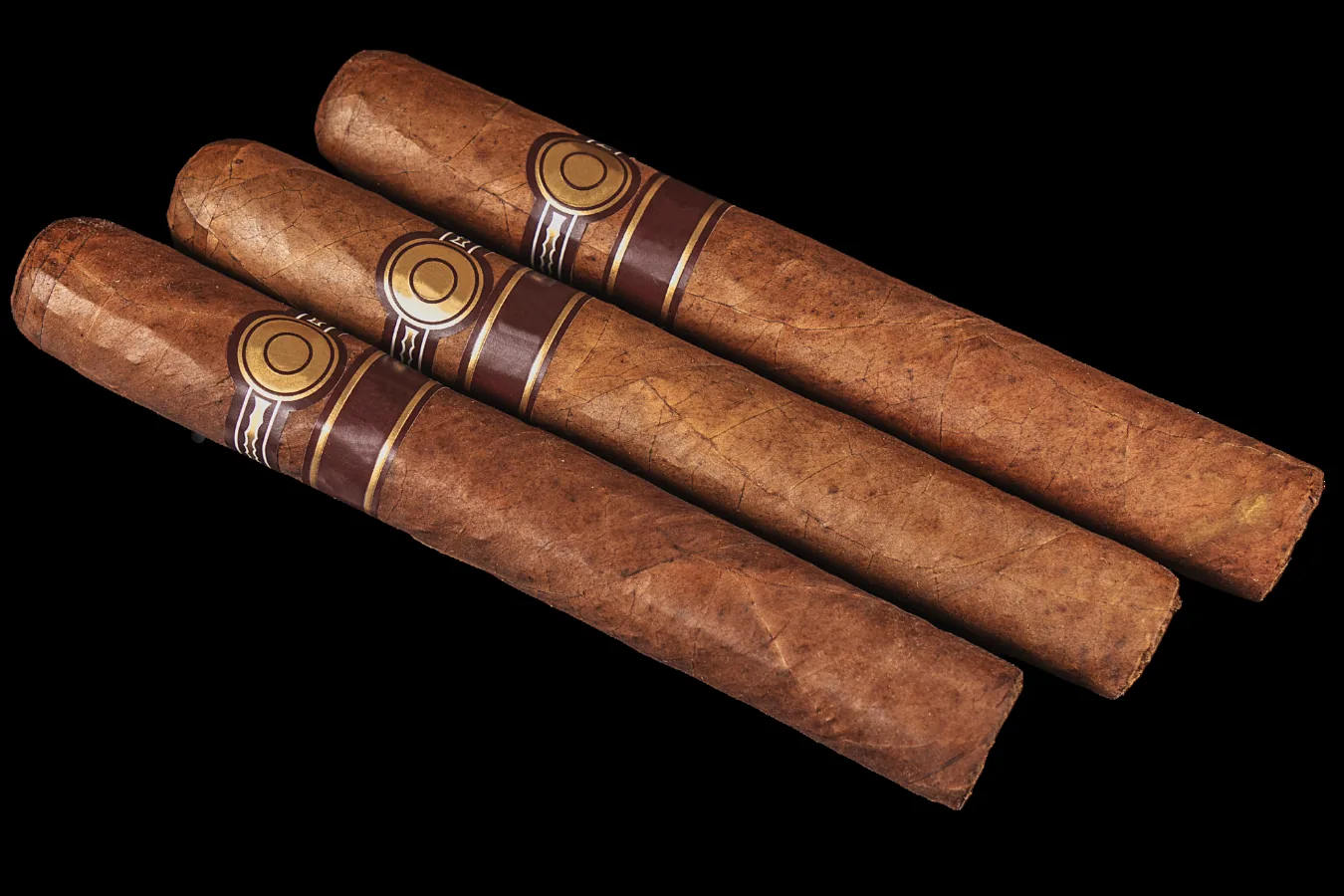
Vitola, wrapper/binder/filler balance, draw, burn, aging, and final inspection.
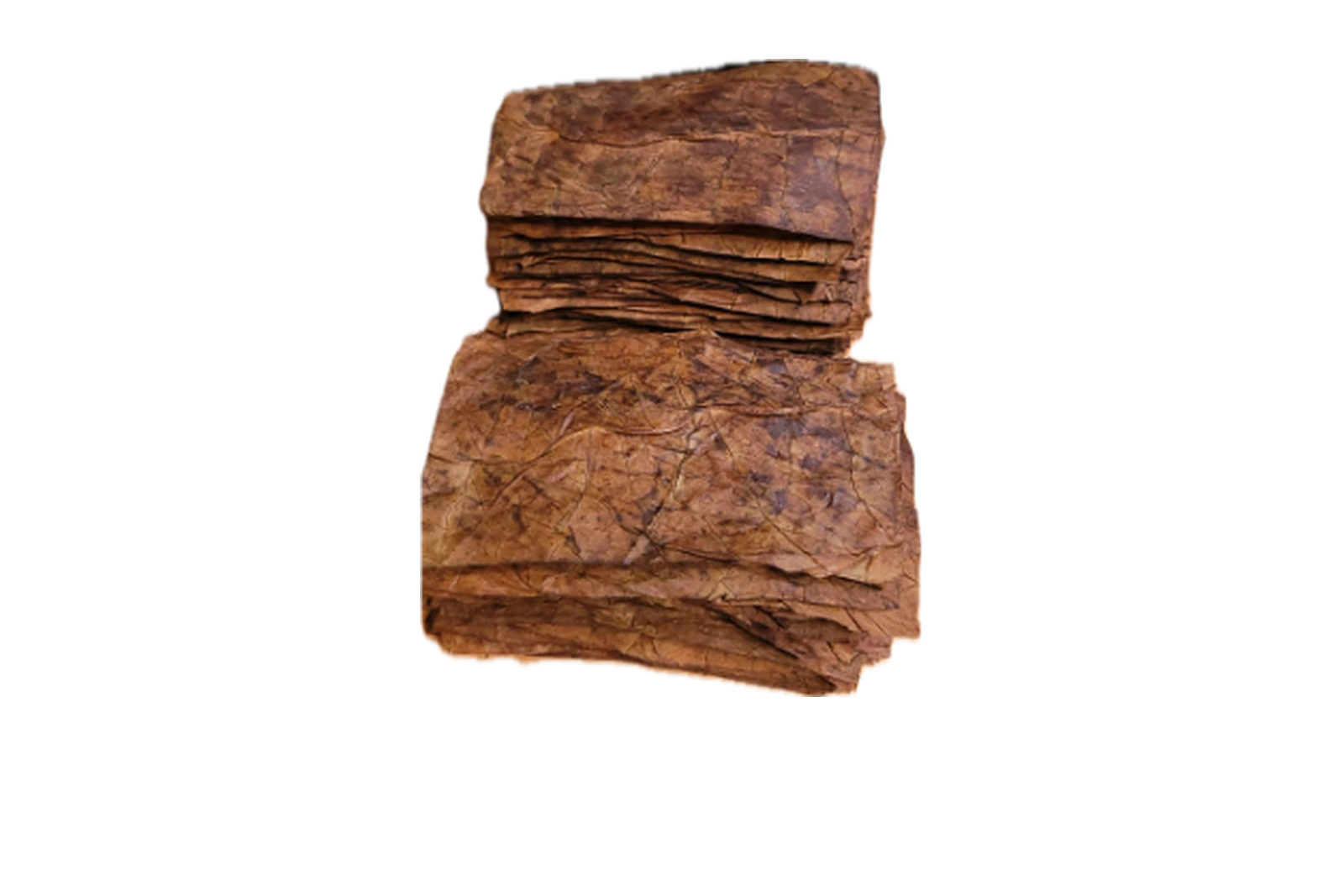
Texture, flexibility, moisture, freshness protection, and packaging direction.
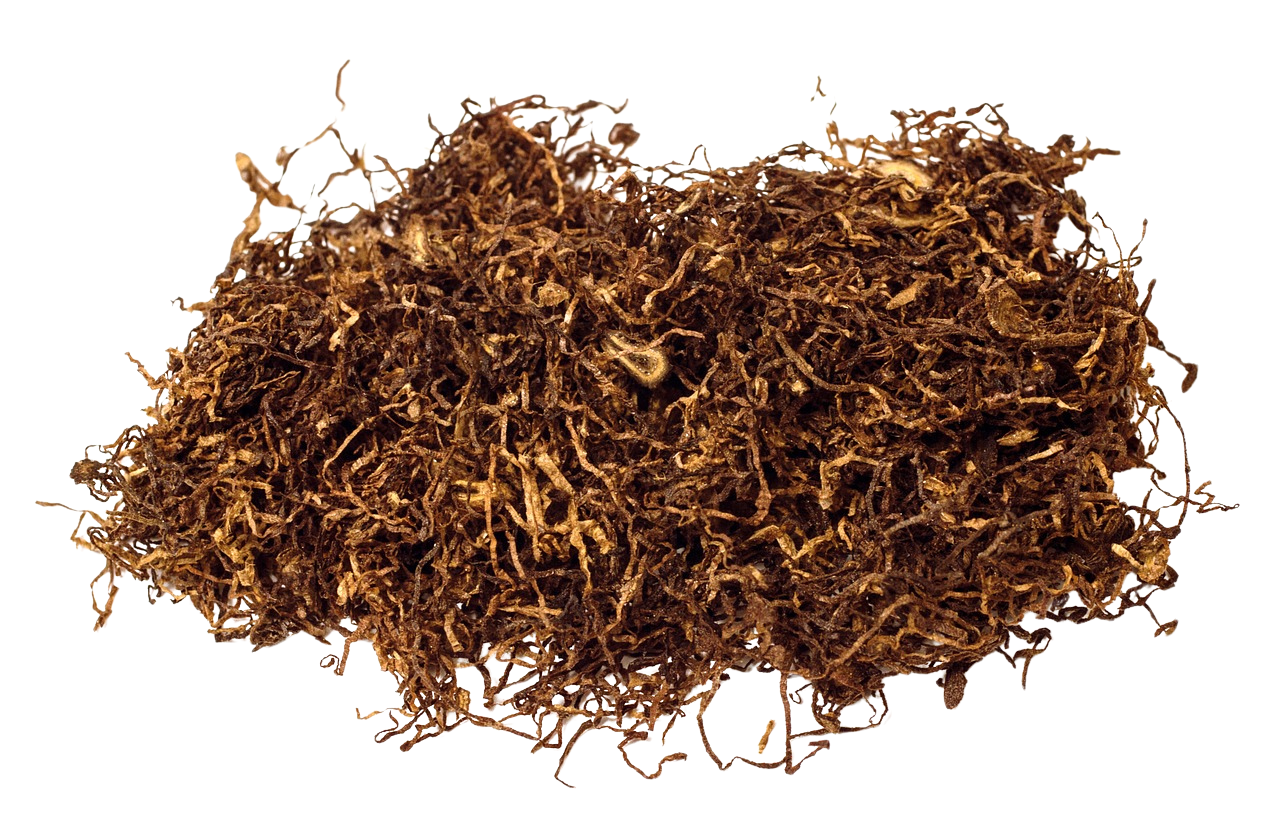
Cured tobacco ground into a near-fine powder for market-dependent adult-use formats.
Wrapper-grade, binder-grade, filler-grade, condition, lot review, and sample documentation.
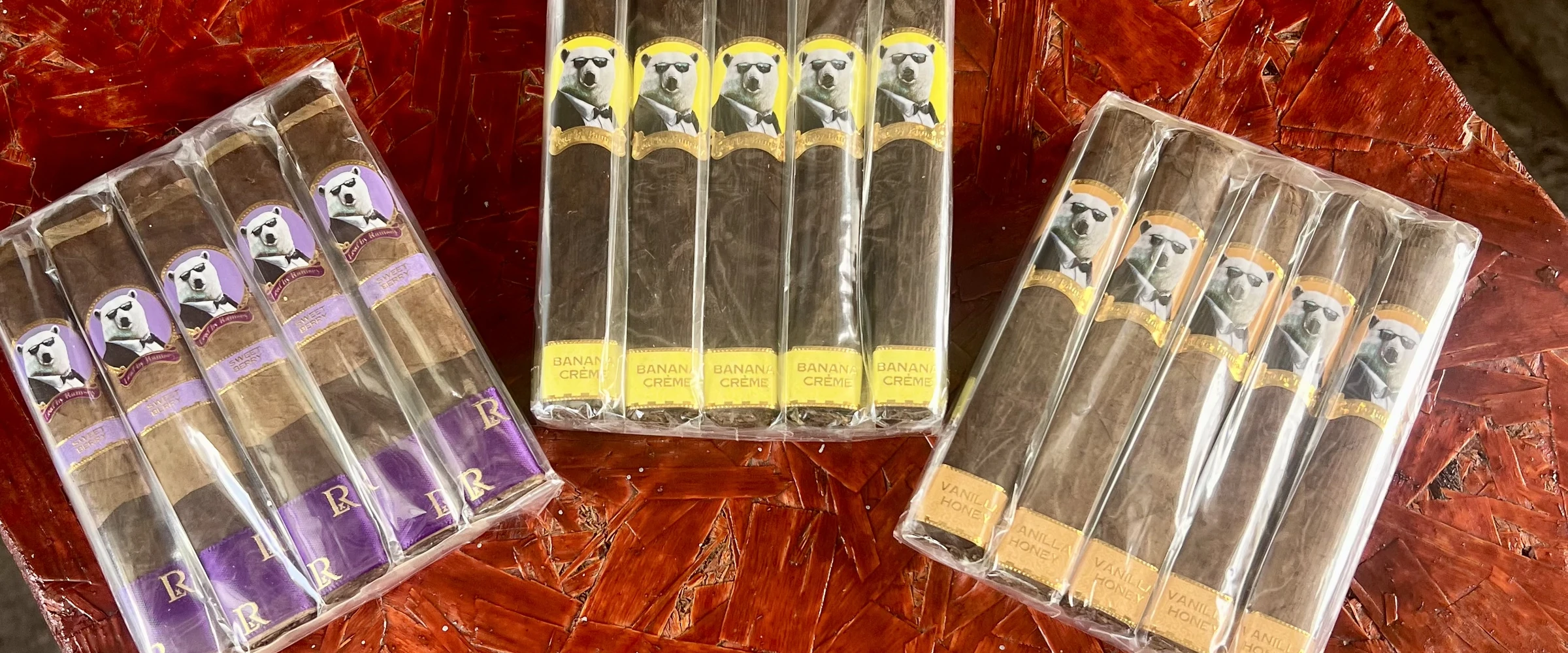
Product family, tobacco profile, packaging plan, samples, approvals, and export handoff.
Leaf and product quality
A useful quality review records how a tobacco lot looks, feels, burns, and performs in its intended format—then keeps the supporting sample and inspection details together.
Record farm or region, varietal, priming, leaf role, grade, color, texture, and curing history so the lot can be evaluated in context.
Assess moisture, fermentation and aging character, aroma, suppleness, combustion, and consistency against the intended cigar, wrap, ground grabba, or whole-leaf format.
Match approved samples to the specification, packaging requirements, inspection notes, retain references, and destination-market documentation before production or shipment.
Next learning routes
Use the dedicated lifecycle workbench for cultivation, curing, fermentation, sorting, and readiness review.
Open lifecycleTobacco review
Share the origin, leaf role, processing stage, intended format, quality expectation, packaging need, destination market, sample goal, and timing.