Private-label wraps
Private-label wraps engineered for a reliable retail release.
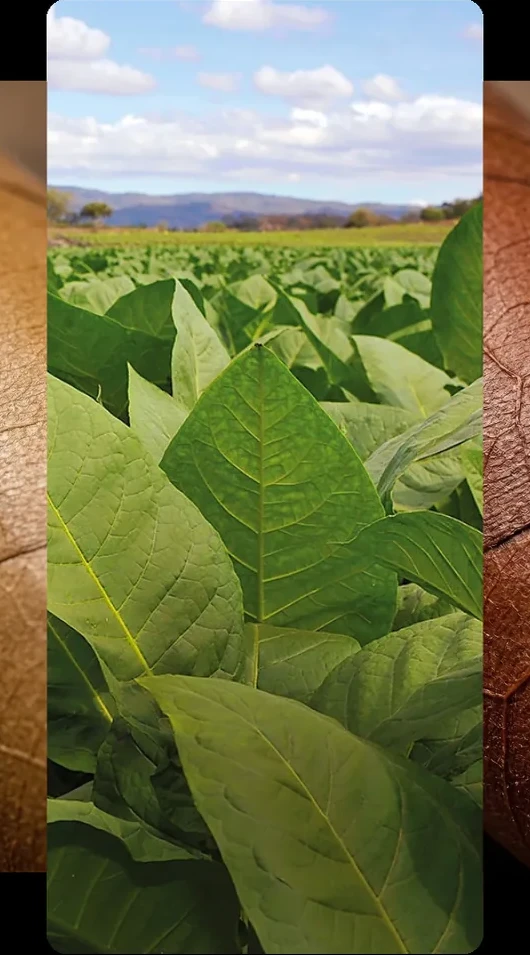
From Estelí leaf selection to a sealed pouch, ONTCSA aligns wrapper handling, moisture targets, retail count, packaging files, and release controls for qualified tobacco brands.
Wrap format planning
Set the production brief before packaging artwork begins.
A disciplined wrap brief turns a brand concept into measurable product, pack, and release decisions before sampling starts.
Natural wrapper character
Define leaf appearance, pliability, aroma, cut, and moisture behavior before the pouch system is specified.
Flavor program direction
Set the approved flavor direction, sensory target, freshness approach, and sample evaluation notes while retaining compliant label space.
Build the retail system as one controlled packout.
Private-label wraps need a finished retail system: unit count, pouch dimensions, label space, carton references, case packs, shelf presentation, and reorder-ready notes.
Wholesale or brand launch
Map the commercial handoff—brand owner, distributor, importer, or retailer—so sample records, documentation, and packout approvals reach the correct team.
Specification desk
Translate the wrap concept into an executable production brief.
ONTCSA reviews qualified wrap programs against a clear production brief: handling standard, pack configuration, sample controls, and destination-market requirements.
Feel
The production brief records wrapper texture, pliability, aroma, moisture target, and expected handling behavior.
Count
Retail count, pouch dimensions, carton quantity, display configuration, and B2B case-pack requirements are captured together.
Sample
Sample comparison notes, approved flavor direction, proof rounds, and buyer sign-off ownership stay attached to the release record.
Market
Destination-market inputs include label space, warning areas, barcode needs, and the buyer’s compliance-review responsibility.
Packaging system
Wrap packaging protects the product and the brand.
For private-label wraps, packaging is not a final decoration step. Pouch material, moisture control, labels, stickers, cartons, displays, case packs, and proof approvals shape the finished program.
Wrap packaging checklist
Prepare pouch direction, retail count, flavor or natural identifiers, label space, barcode needs, carton marks, display goals, and artwork status before proofing.
Sample and release
Move each approved wrap sample toward a controlled release.
Each sample round records what the buyer approved, how the product handled, which packaging files apply, and what must remain controlled for production and reorder.
Sample comparison
Review moisture, aroma, handling, texture, pouch fit, and buyer feedback against the approved direction.
Quality reference
Keep inspection notes, retain samples, packaging details, and lot context available for future comparison.
Launch file
Connect artwork status, carton references, document needs, and market-dependent responsibilities before handoff.
Reorder path
Record approved count, pouch format, packaging files, sample notes, and requested changes for the next run.
Wrap program resources
Prepare the wrap brief with the right references.
Choose the product path, packaging reference, quality review, or sample request that fits the next decision in your wrap program.
ProductWraps overviewReview wrap formats, leaf presentation, and retail-pack considerations before setting the brief.Review wrapsFormatsProduct formatsCompare wraps with cigars, grabba, cones, whole leaf, and finished-pack options.Compare formatsPackagingPackaging systemsPlan pouches, labels, cartons, displays, branded items, and proof approval with San Marcos iPrint.Plan packagingQualityQuality planningReview sample notes, inspections, retain references, and release records for repeatable production.Review qualitySamplesSample requestRequest a sample review around the intended wrapper, pack format, and approval objective.Request samplesStartProject briefSend the wrap format, packaging direction, quantity range, destination market, and timing.Start your brief
Ready for review
Start with the details required for a wrap program review.
Share the wrapper direction, pack architecture, quantity range, destination market, artwork status, and sample objective. ONTCSA will route qualified projects into a practical production review.
Private Label Wraps Mylar natural wraps flavor-ready Product availability varies by market adult-use private-label-wraps.html wraps.html private-label.html request-quote.html sample-request.html contact.html
Exclusive packaging provider
San Marcos iPrint LLC provides ONTCSA brand packaging.
All packaging, stickers, cigar bands, printed labels, cartons, displays, and branded items for ONTCSA private-label programs are manufactured and provided by San Marcos iPrint LLC, the exclusive packaging provider for ONTCSA.
MylarStickersCigar bandsLabelsBranded items
PackagingMylar, boxes, cartons, and packing tape
StickersIndividual, label roll, die-cut, QR, security, and specialty stickers
Brand systemsCigar bands, branded displays, mockups, and launch artwork
Packaging architecture is coordinated with the ONTCSA private-label brief.
HandoffPackaging files and branded items coordinated before production release